Composite Bonding
What Is Dental Bonding?
One small chip can make you think twice before smiling in a family photo. Dental bonding is a conservative cosmetic treatment that uses composite resin to repair and restore chipped, discolored, or misshapen teeth.
Our team at Croxton Family Dental Designs in Dallas, GA, offers bonding as part of our cosmetic dentistry services. Bonding can transform the appearance of a smile, and because it is minimally invasive, it is a gentle way to enhance the natural beauty of your teeth. We care for your smile the way neighbors care for neighbors, with clear answers and a plan that fits you.

Why Choose Dental Bonding?
Bonding is a popular choice in cosmetic dentistry because it is convenient, cost-effective, and minimally invasive. Many bonding treatments can be completed in a single visit, so you can often fix a flaw and get right back to your day. Our early morning appointments may make it easier to fit your visit in before work.
Bonding is also less expensive than veneers or crowns, which makes it a practical way to improve your smile without a major investment. In many cases, we can complete the work without anesthesia, so the visit stays simple.
How Does Dental Bonding Work?
Step 1:
Exam and Surface Preparation
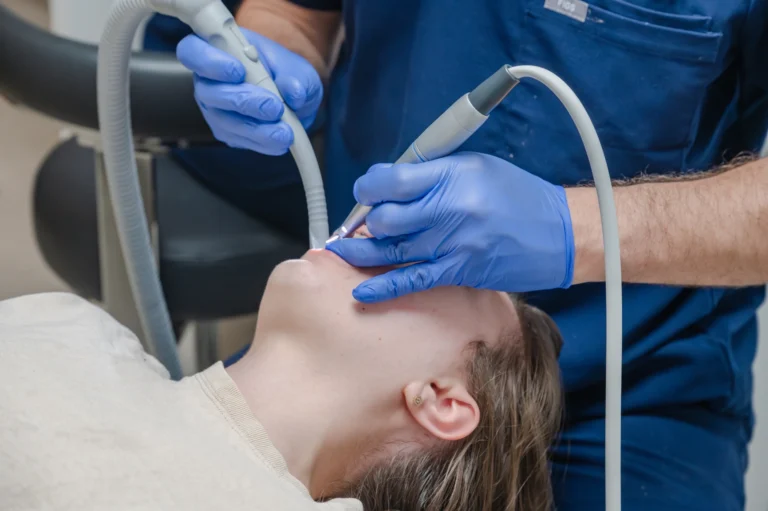
We begin with an exam to make sure the tooth is healthy and a good candidate for bonding. Then we prepare the tooth surface and apply a dental adhesive formulated for bonding.
Step 2:
Placing and Shaping the Resin
Next, we place the composite resin and shape it. We carefully color-match the resin so the bond blends with your natural tooth enamel, then harden it with a curing light.
Step 3:
Final Check and
Polish
Last, we give the bonding a final check for fit and shape, then smooth and polish it so your tooth looks finished and natural.
WHAT BONDING CAN DO
What Can Dental
Bonding Fix?
Bonding is versatile, which is why we use it for so many different concerns. It can start as a quick fix for one chipped tooth and also refresh several teeth at once.
Because every smile is different, we start by listening to what bothers you most. Then we explain whether bonding makes sense or whether another cosmetic option may fit better.
BONDING IS COMMONLY USED FOR:
- Repairing chips and minor cracks
- Covering stained or discolored enamel
- Closing small gaps between teeth
- Remodeling the contours of teeth that are undersized, crooked, or misshapen
- Rebuilding areas where enamel erosion has taken place
- Creating inconspicuous, tooth-colored fillings
Dental Bonding vs.
Veneers and Crowns
Veneers and crowns last longer and are less vulnerable to chipping or staining than bonding. They also require removing more tooth structure, which is a meaningful trade-off when your tooth is otherwise healthy. Bonding also offers a more conservative way to improve your smile while preserving more of your natural tooth.
Bonding typically lasts between three and ten years before it needs a touch-up or replacement, depending on your habits and how many teeth were treated. We can help you weigh how long each option may last against cost and tooth preservation.

What You Can Expect at Every Visit With Croxton Family Dental Designs
Highly Rated
on Google
Warm &
Friendly Care
Flexible Financing
Available
FAQS
Is Dental Bonding Right for Every Tooth?
Dental bonding is not an option for every tooth. Major chips and cracks, deep decay, or serious misalignment might require alternative treatment. That is why we start with an exam, so we can tell you honestly whether bonding fits your tooth. Talking with your dentist is the best way to find out if bonding is the right choice to enhance the natural beauty of your smile.
How Do I Care for Bonded Teeth?
Treat your bonding like your natural teeth, with a few extra precautions. Brush twice a day with a soft toothbrush and fluoride toothpaste, floss daily, and keep up with regular checkups and cleanings. Because the material can chip, try to avoid biting your fingernails, chewing on pens, or using your teeth to open packages, and drinking fewer dark beverages like coffee, tea, and red wine may help limit staining.